China Event Report
QI4U in China 2026(March 9 to 11,2026)
China Event Report
Introduction
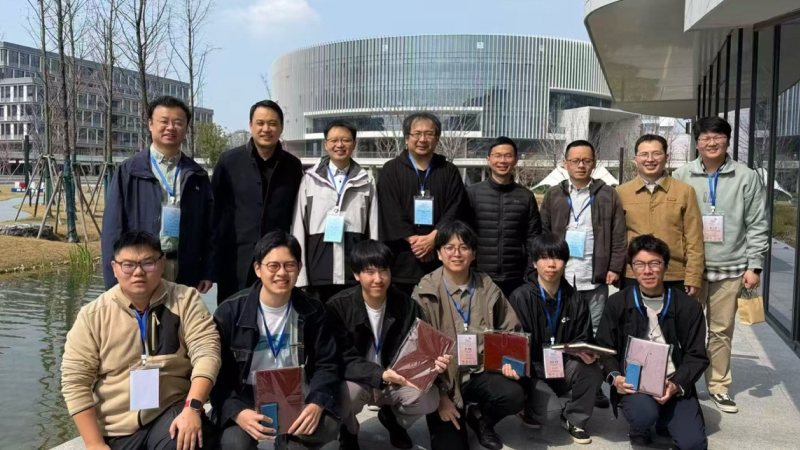
From March 9 to March 11, 2026, the QI4U in China workshop was held at the Hangzhou Institute of Xidian University Hangzhou Institute in Hangzhou, China. During this three-day workshop, participants learned about quantum technologies and optimization methods, including quantum annealing, and deepened their understanding from both theoretical and practical perspectives through lectures and group activities. In addition, active exchanges took place among students and faculty members from both universities, making the workshop a highly valuable opportunity for academic learning as well as international collaboration.
Day 1: Opening the Door to Quantum Technologies — Encountering Cutting-Edge Research
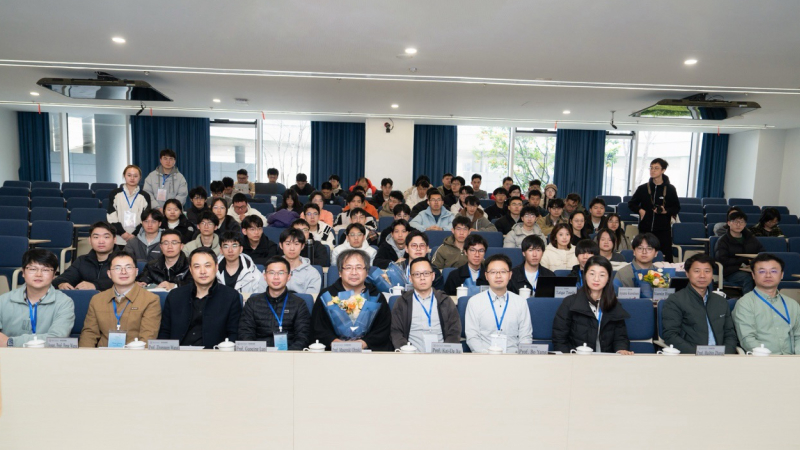
The first day of the workshop began with the opening ceremony and served as a platform for sharing cutting-edge research in quantum computing and related fields. For the participants, it was an opportunity to gain an overall understanding of the field and to build a foundation for the lectures and group activities that followed throughout the workshop.
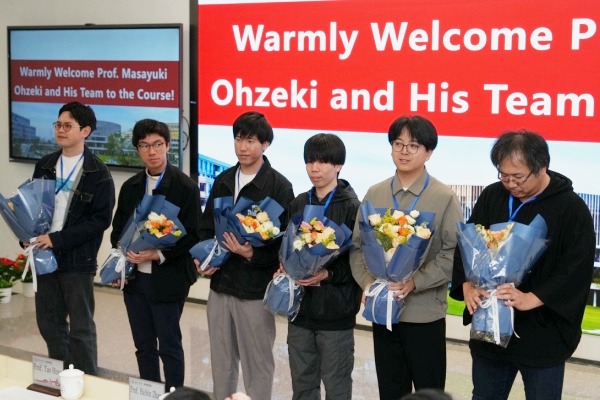
At the opening ceremony, the Vice Dean of the Xidian University Hangzhou Institute delivered a welcoming address, congratulating the organizers on the launch of the workshop and extending a warm welcome to our Japanese delegation, including Professor Masayuki Ozeki. This was followed by a flower presentation to the Japanese team and a group photo session, symbolizing the friendship between the two institutions and highlighting the significance of this workshop.
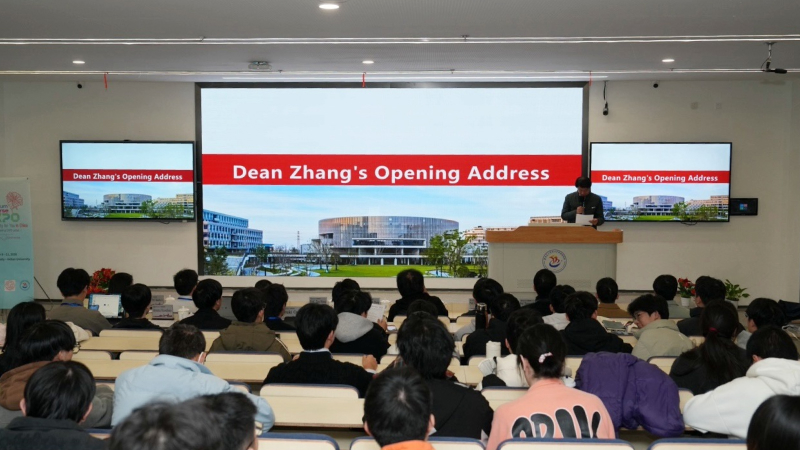
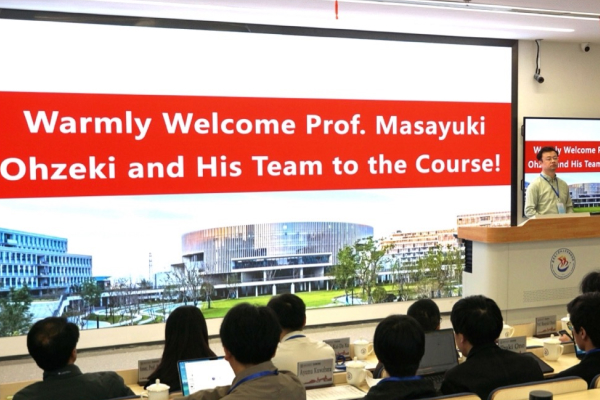
Following the opening ceremony, a total of eight invited lectures were delivered. The presentations covered a wide range of topics, including quantum annealing, quantum algorithms, artificial intelligence, wireless communications, and electromagnetic structure design, providing participants with insights into both theoretical foundations and practical applications. Professor Ohzeki's lecture on quantum annealing served as an important introduction to the workshop. It provided participants with essential background knowledge and helped establish a solid foundation for understanding the subsequent lectures and activities.
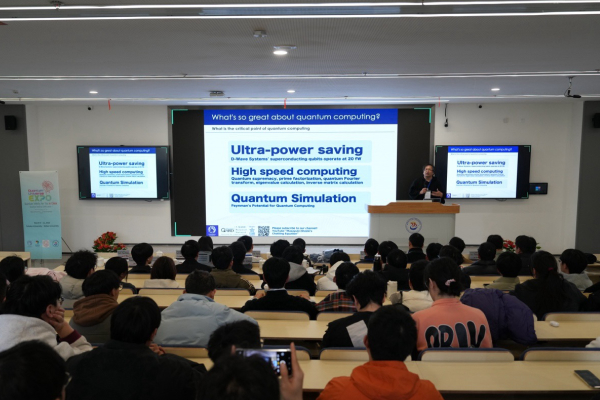
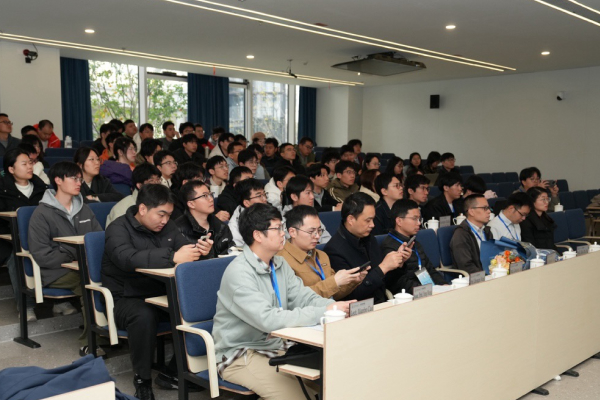
Each lecture was followed by lively question-and-answer sessions, during which direct discussions took place between the participants and the speakers. These interactions went beyond passive listening and created opportunities for meaningful academic exchange, helping participants deepen both their understanding of the research topics and their interest in the field.
During the lunch break, the speakers and members of the Japanese delegation shared a meal together in a relaxed and friendly atmosphere. This provided an excellent opportunity for open discussions that transcended differences in academic background and institutional affiliation. Conversations covered a wide range of topics, including potential avenues for future research collaboration. In addition, commemorative gifts were exchanged between Tohoku University and Xidian University, serving as a symbolic gesture of friendship and cooperation between the two institutions.
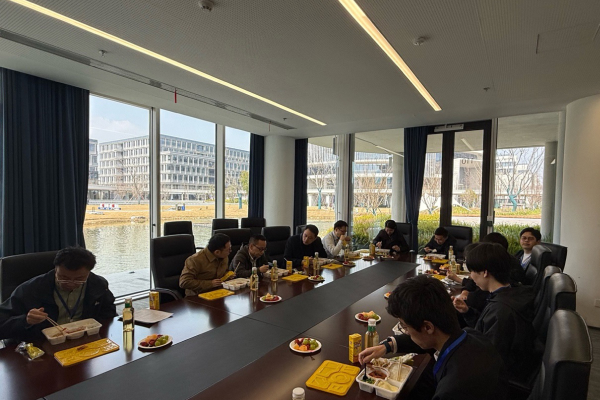
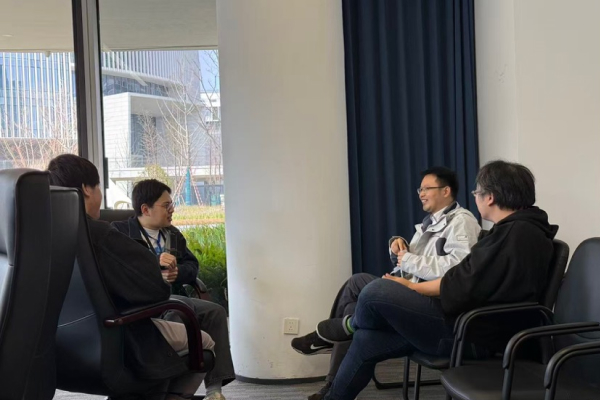
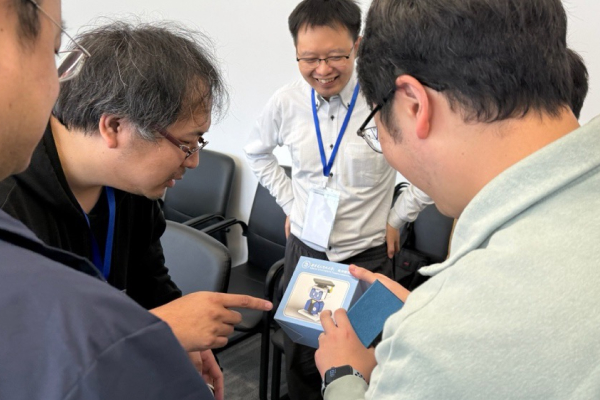
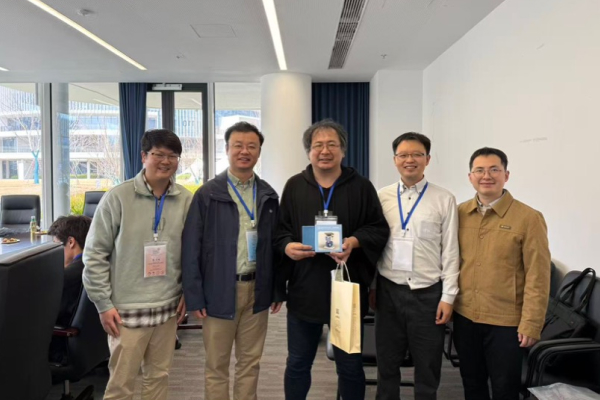
Overall, the first day, themed “Encountering Cutting-Edge Research,” provided participants with both an academic introduction to the field and valuable opportunities for international exchange. Through the lectures, discussions, and interactions among participants, the program significantly enhanced understanding of the latest developments in quantum technologies and served as a strong source of motivation for the activities that followed during the workshop.
Day 2: Learning Quantum Optimization
The second day focused on developing both foundational knowledge and practical skills related to quantum annealing and optimization problems through a combination of lectures and group activities. Building upon the knowledge gained on the first day, participants progressed toward a deeper understanding of problem formulation and solution methods, making the day a structured and systematic learning experience.
During the morning session, members of our student team delivered a series of lectures covering the fundamentals of quantum annealing, combinatorial optimization problems, and their practical applications. The lectures were designed to provide a step-by-step introduction, beginning with the basic principles of quantum annealing and extending to hands-on demonstrations using actual code to illustrate how these techniques can be applied to real-world problems. Through these sessions, participants gained a deeper understanding of both the theoretical foundations and practical applications of quantum optimization, which provided valuable preparation for the subsequent group work activities. The participants were highly engaged throughout the lectures, actively asking questions and contributing to discussions, making the session both productive and rewarding.
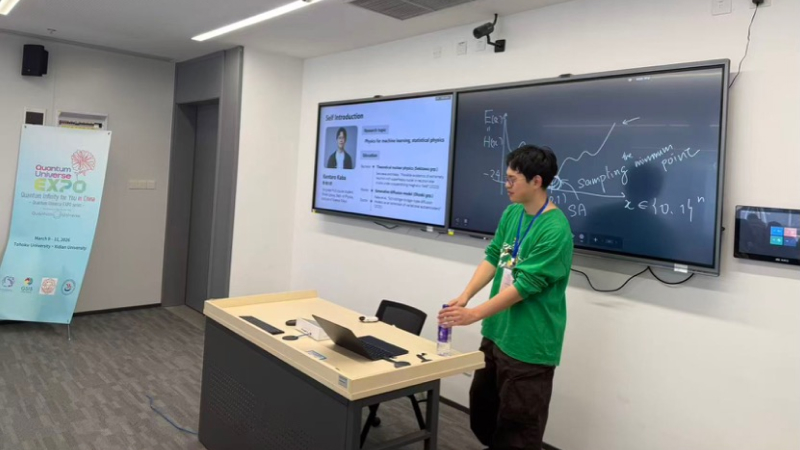
In the afternoon, the group work sessions began in earnest. Participants were divided into several teams and worked collaboratively on assigned tasks. Members of the Japanese delegation joined each group as mentors, providing feedback, guidance, and support throughout the discussions. When participants learned that the team assignments themselves had been generated using an annealing-based optimization approach, they responded with great interest and enthusiasm.
The group activities were designed to simulate the process of conducting actual research. Starting from a review of existing studies, participants gradually progressed through topic selection, problem formulation, and the exploration of solution methods through programming. Through this process, participants moved beyond simply learning theoretical concepts and gained hands-on experience in thinking critically, engaging in collaborative discussions, and experimenting with practical approaches to problem solving in a research-oriented environment.
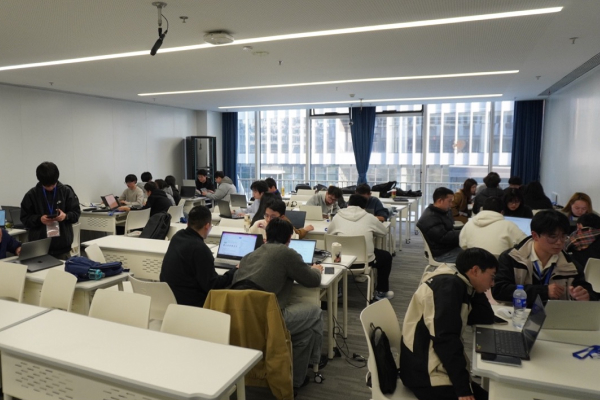
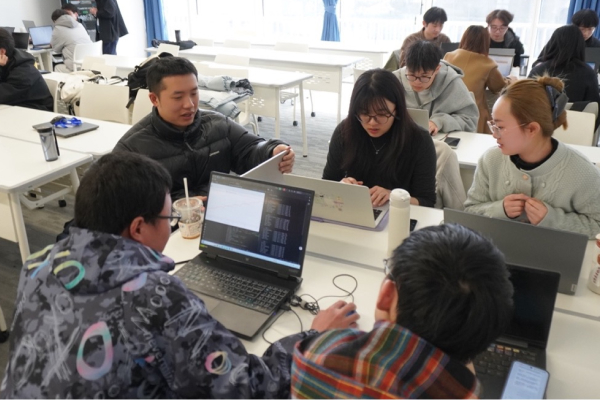
Furthermore, each group consisted of participants with diverse academic backgrounds and areas of expertise, which encouraged discussions from a variety of perspectives. The exchange of ideas across different disciplines enriched the discussions and highlighted one of the key values of this workshop: fostering interdisciplinary collaboration and innovation.
At the end of the second day, each group delivered a brief progress report to all participants. The presentations covered their chosen research topics, approaches to problem formulation, and the progress made thus far. Active questions and constructive feedback were provided by both the participants and the mentors, creating an engaging and collaborative atmosphere. These progress reports served as valuable opportunities for each group to organize and refine their research ideas while also gaining new insights from the approaches taken by other teams. In addition, the session helped clarify the direction of each project and provided a solid foundation for the final presentations on the following day.

Day 3: Presentation of Research Outcomes
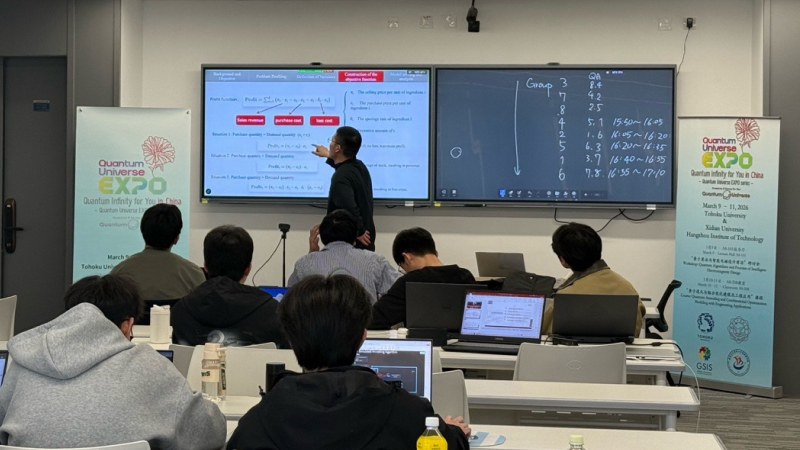
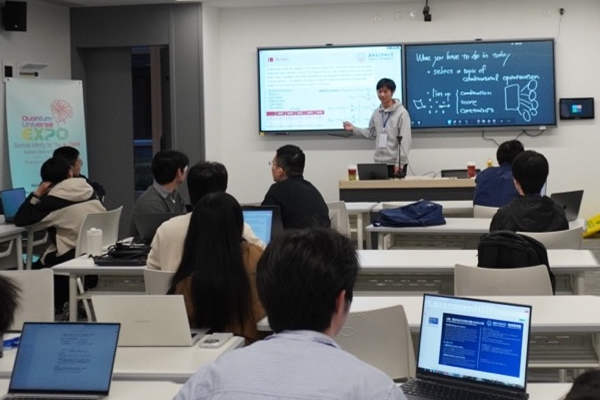
The third day focused on consolidating the results of the group projects and delivering the final presentations. Building on the discussions and analyses conducted during the previous two days, each group refined its research topic, finalized its ideas, and prepared presentations that showcased the outcomes of its work. As the culmination of the workshop, this day provided an important opportunity for participants to transform their efforts into tangible research outputs.
During the morning session, each group continued its discussions and worked on organizing its research findings and preparing presentation materials. Participants carefully examined the validity of their problem settings, the clarity of their formulations, and the logical structure of their proposed solution methods. With guidance and feedback from the mentors, the groups further refined their work and improved the quality of their presentations.
In the afternoon, each group delivered its final presentation based on the results of its research and discussions. The presentations systematically covered the background of the research topic, problem formulation, proposed solution approaches, obtained results, and future challenges. Following each presentation, a question-and-answer session was held, during which mentors and participants provided constructive feedback and engaged in discussions from multiple perspectives. These exchanges enabled each group to reassess its work objectively and gain a deeper understanding of the potential directions for future development. At the same time, exposure to the diverse research topics and methodologies presented by other groups broadened the participants’ perspectives and further enhanced their understanding of optimization problems and research design. Finally, the projects were evaluated comprehensively based on the quality of the research content, originality of the ideas, and effectiveness of the presentations. Three outstanding groups were selected in recognition of their excellent performance throughout the workshop.
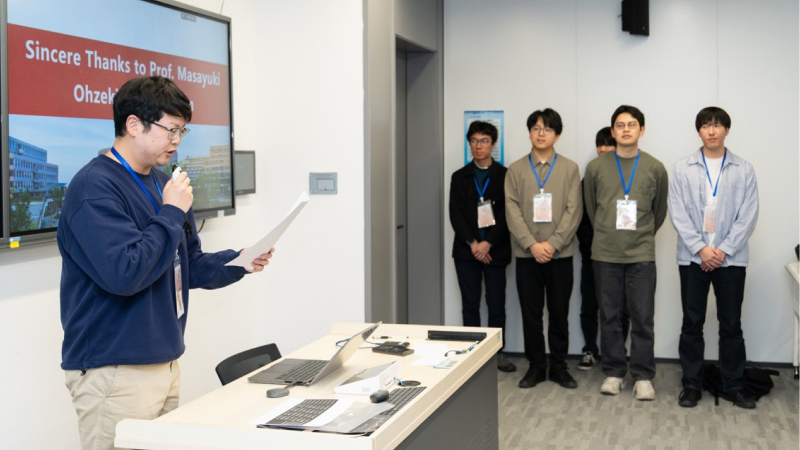
The closing ceremony was attended by faculty members from Xidian University. During the ceremony, Professor Xianbo Cao delivered a comprehensive summary of the workshop, reflecting on its key activities and achievements. Professor Masayuki Ozeki also offered valuable advice and encouragement for participants' future academic and research endeavors.
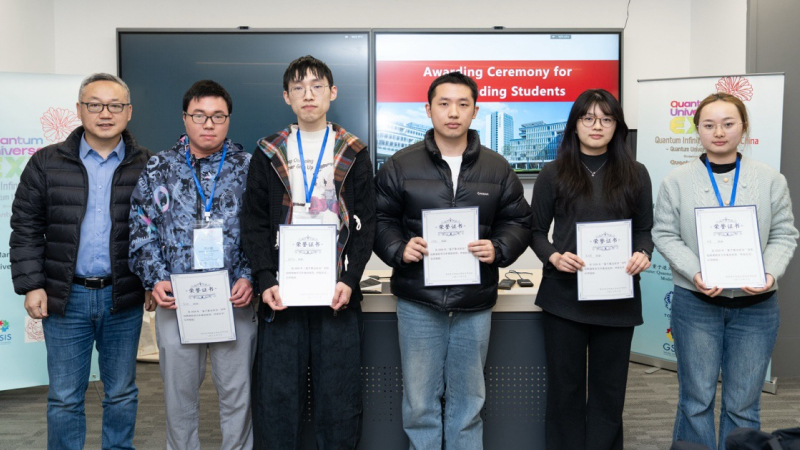
In addition, commemorative certificates were presented to the members of the award-winning groups in recognition of their outstanding performance throughout the workshop.
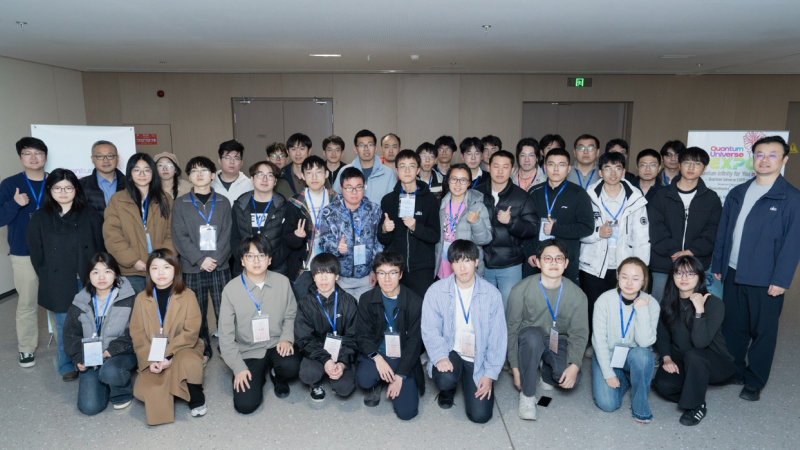
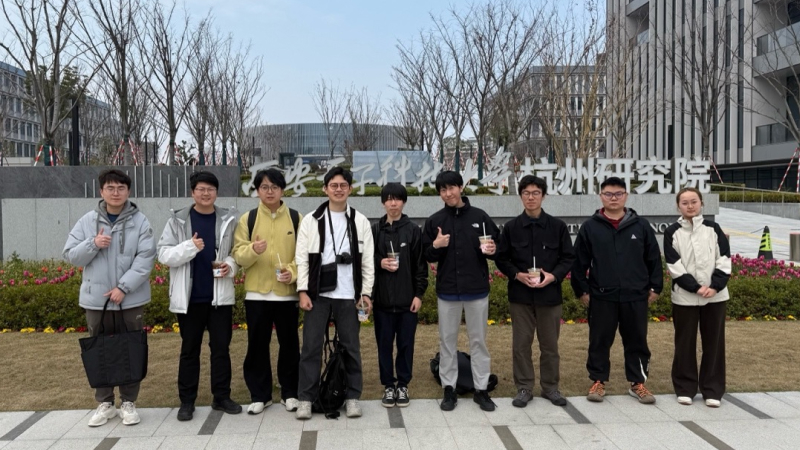
Finally, a commemorative group photograph was taken with all participants, bringing the workshop to a successful and memorable conclusion. The event provided a valuable opportunity for participants to deepen their understanding of quantum optimization, engage in interdisciplinary collaboration, and build international academic connections that may lead to future research cooperation.
Conclusion
Through this workshop, participants not only deepened their understanding of quantum optimization but also gained valuable experience working collaboratively with peers from diverse academic backgrounds and areas of expertise. It was inspiring to observe how they engaged with research challenges, exchanged ideas, and developed solutions together throughout the program. For us as organizers and mentors, the workshop was equally rewarding. Through the planning, facilitation, and interactions with participants and faculty members, we gained many new insights and valuable experiences. We hope that the knowledge, skills, and connections established during this workshop will continue to support the participants’ future research activities and contribute to the development of international academic collaboration in the years to come.